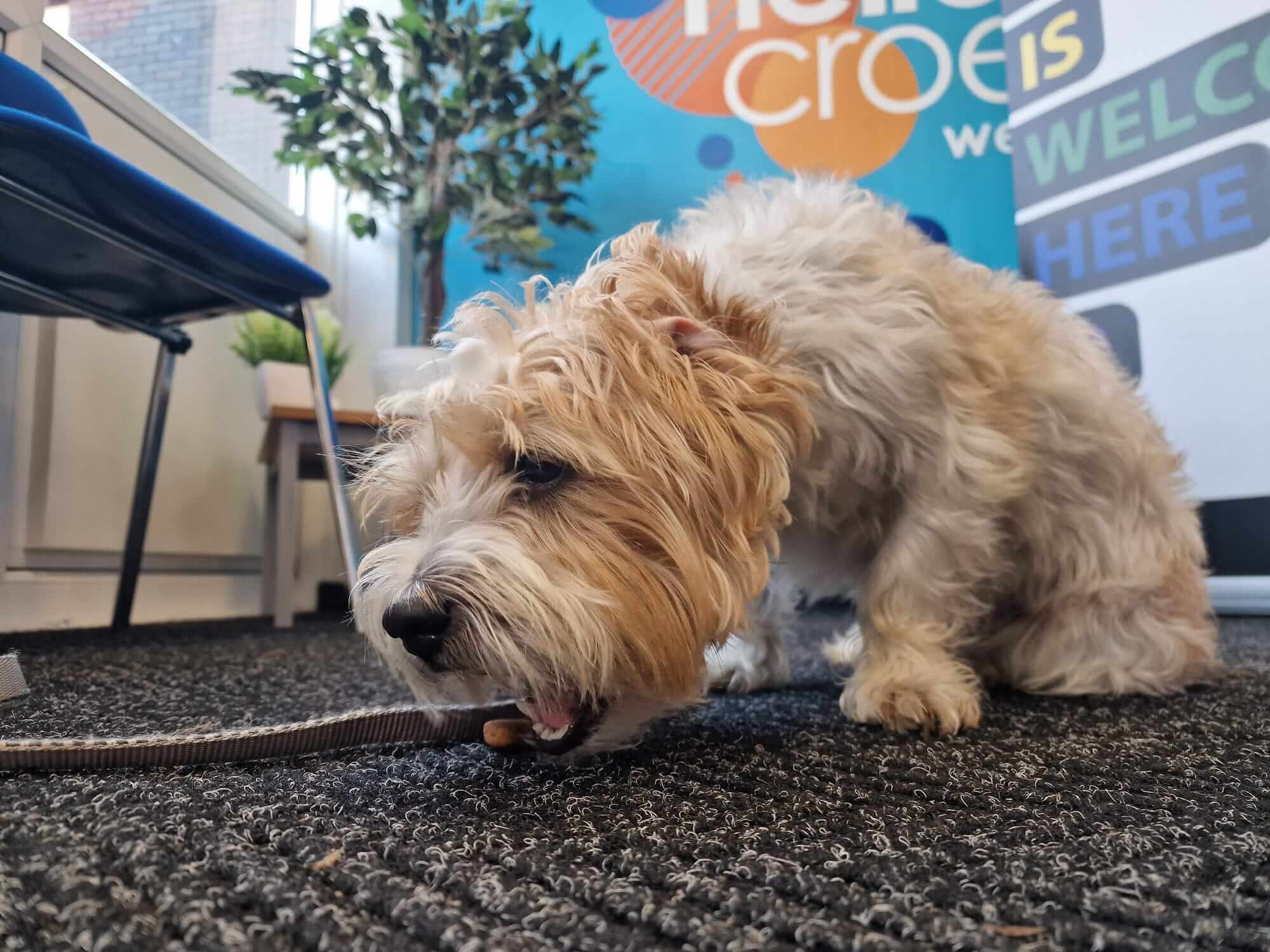
Founded by David O'Driscoll following years in probation and youth offending services — where the same pattern emerged again and again: young people entering crisis long before meaningful support reached them.
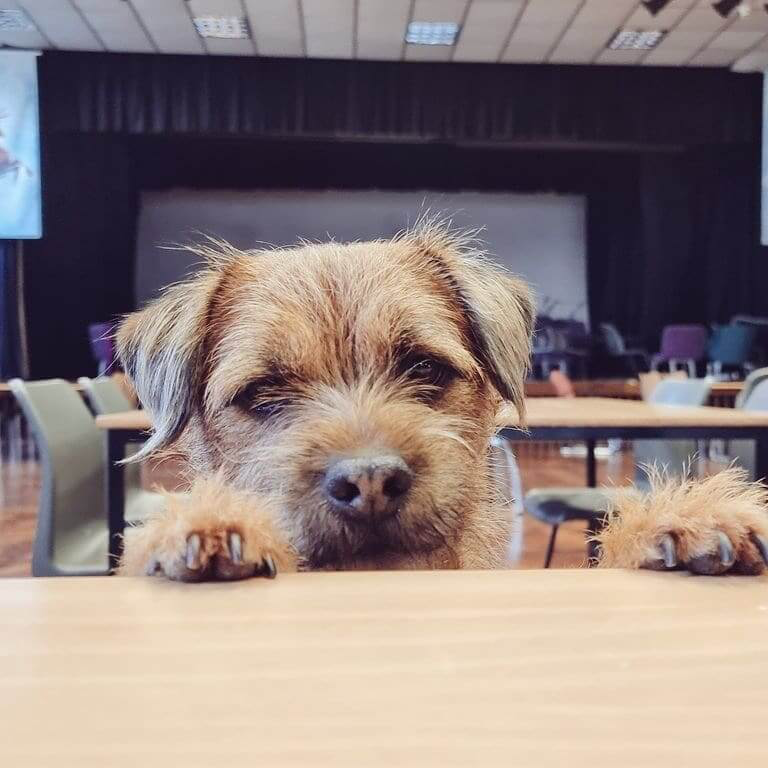
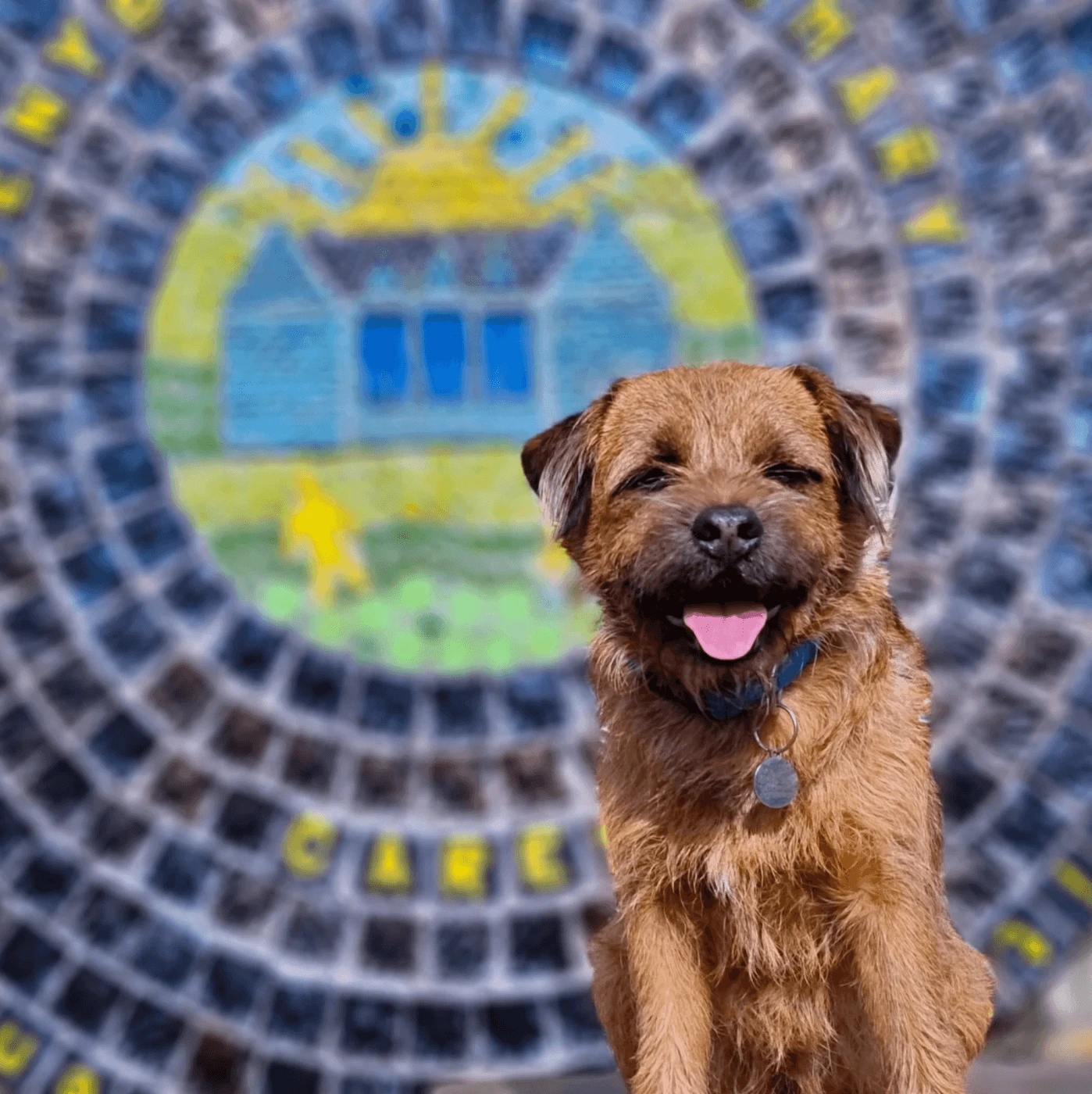
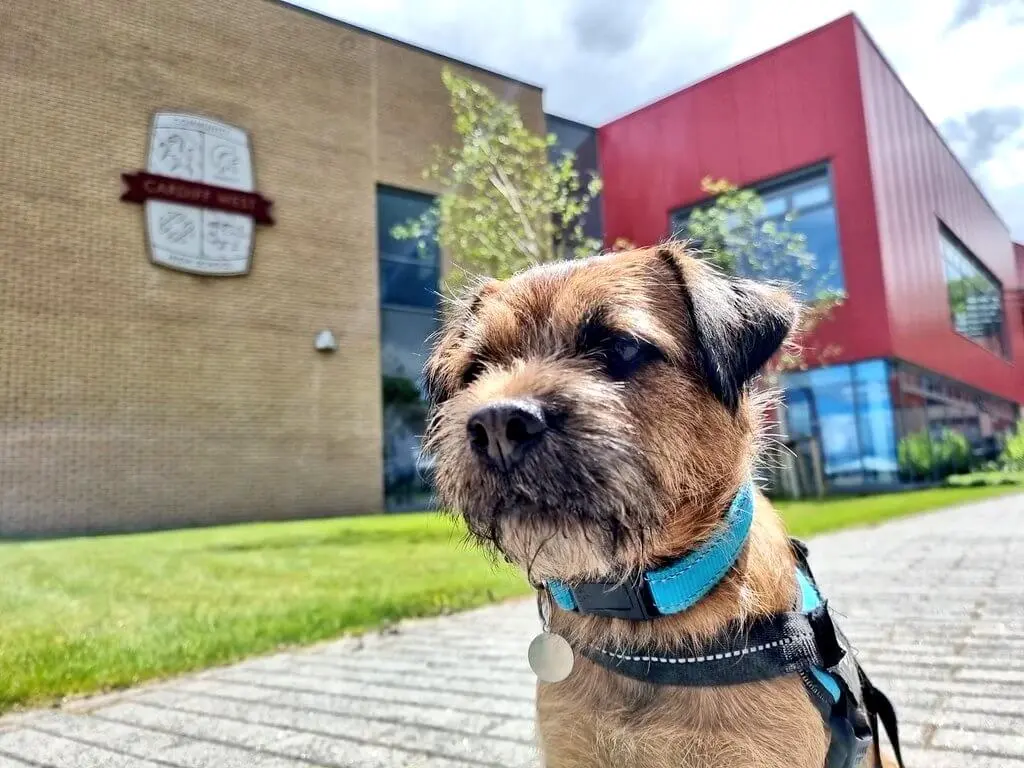
The Baxter Project is named after our founding companion dog — a Border Terrier who helped us discover that the right dog, in the right moment, with the right person, could open doors that everything else had closed.
What began as one person's determination to reach young people earlier has grown into one of the most distinctive early intervention programmes nationwide — working across schools, EOTAS provisions, colleges, and fostering settings.
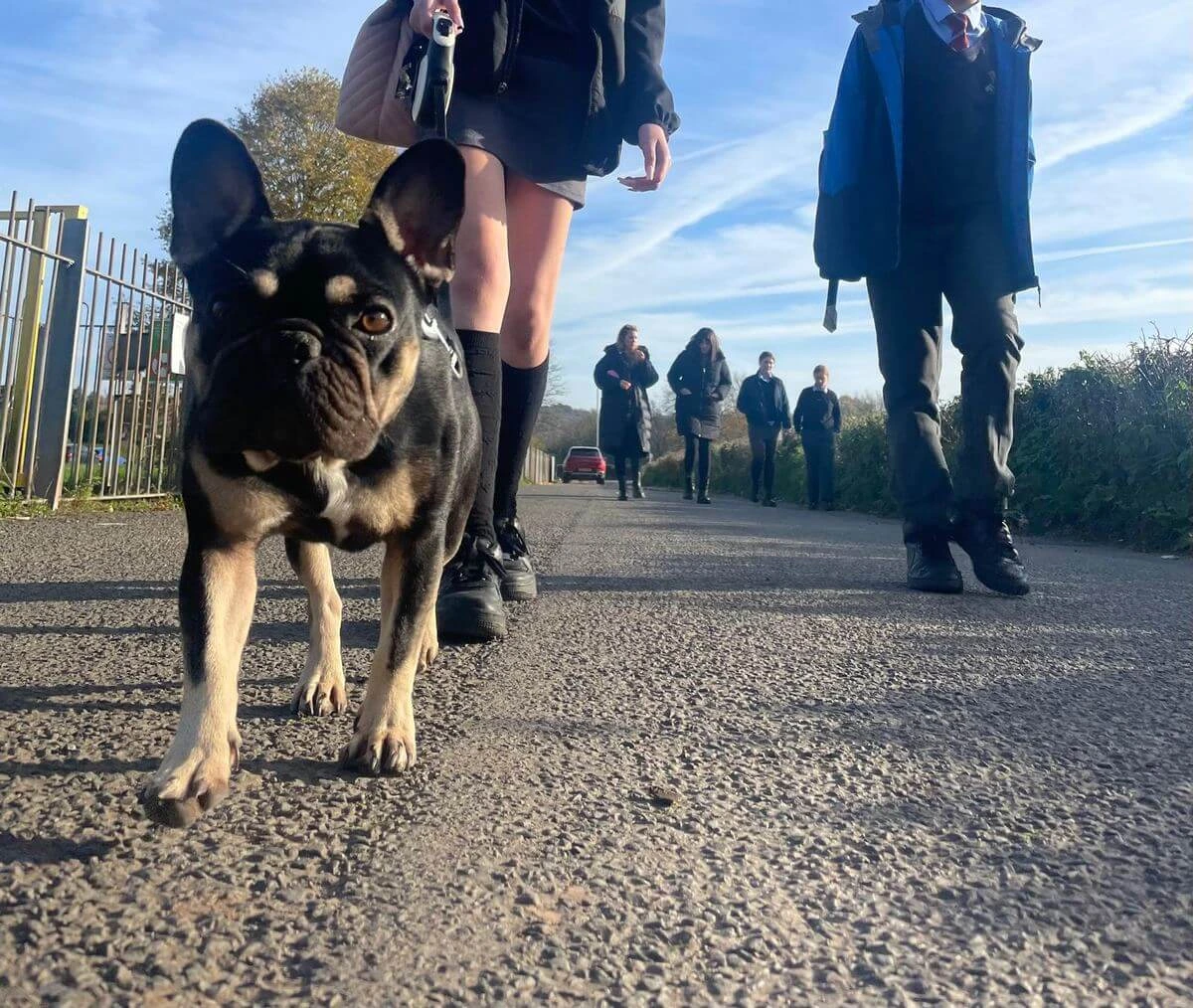
We deliberately intend for our work to appear as simple as walking a dog. A vast amount of theory, training, and care goes into every session — but none of that should be visible to the young person. What they experience is a walk, a dog, and someone who genuinely listens.
Deliberately informal — but underpinned by serious, evidence-informed practice. Here is what sits underneath every session.
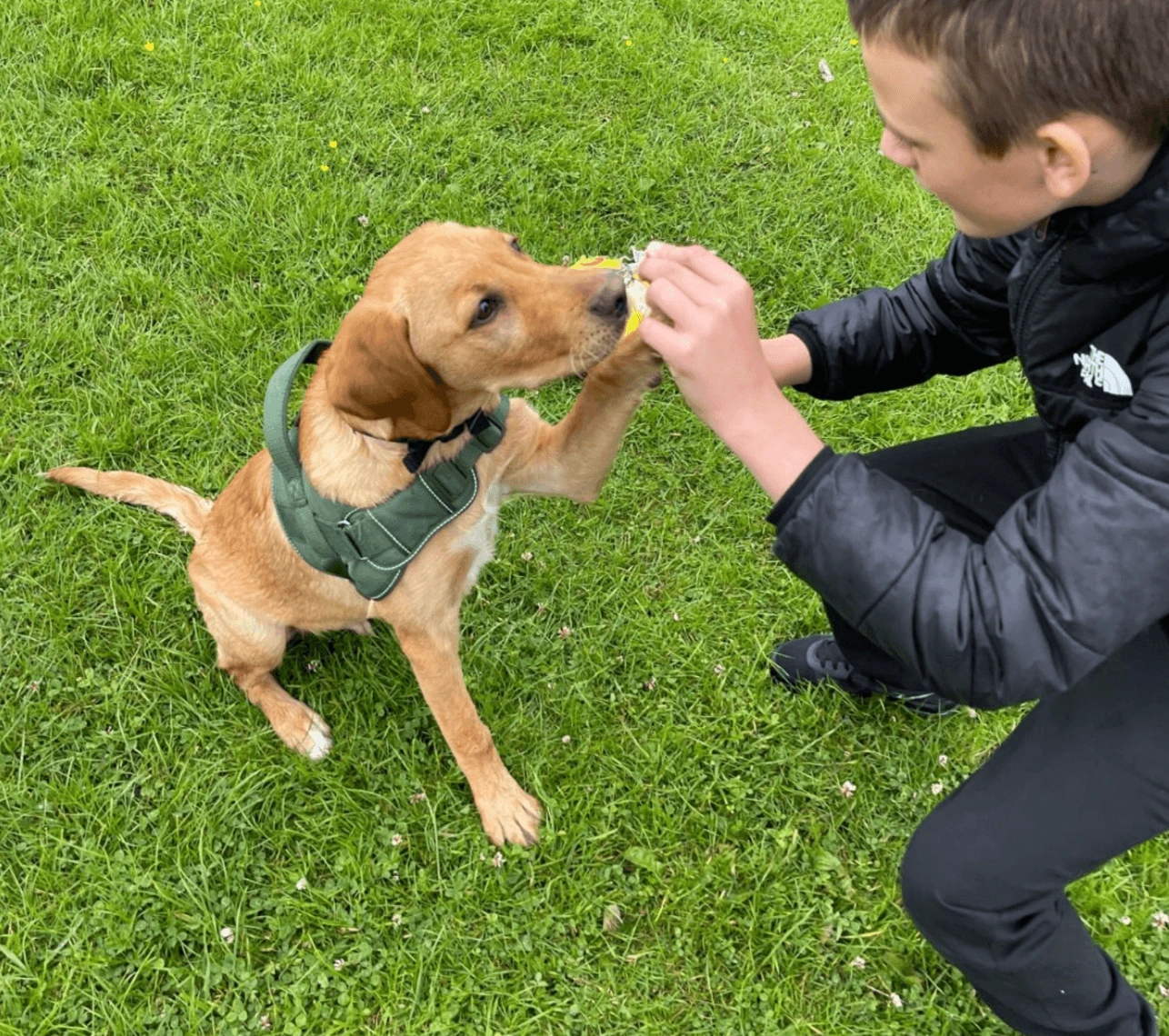
No eye contact required. No formal setting. A walk, side by side, outdoors — with a companion dog that creates a low-pressure focal point and dissolves social anxiety.
While the dogs take the credit, our specialist practitioners build trust and apply evidence-informed approaches invisibly — Trauma Recovery Model, Motivational Interviewing, DNA-V, pACE.
Seemingly casual conversation, a walk, a moment of calm — each is intentional. Trust is built not declared. Change happens in the relationship, not despite it.
We use validated tools including the SCWBS and NMRQ to track wellbeing and resilience. Schools receive clear, evidenced reporting on every young person.
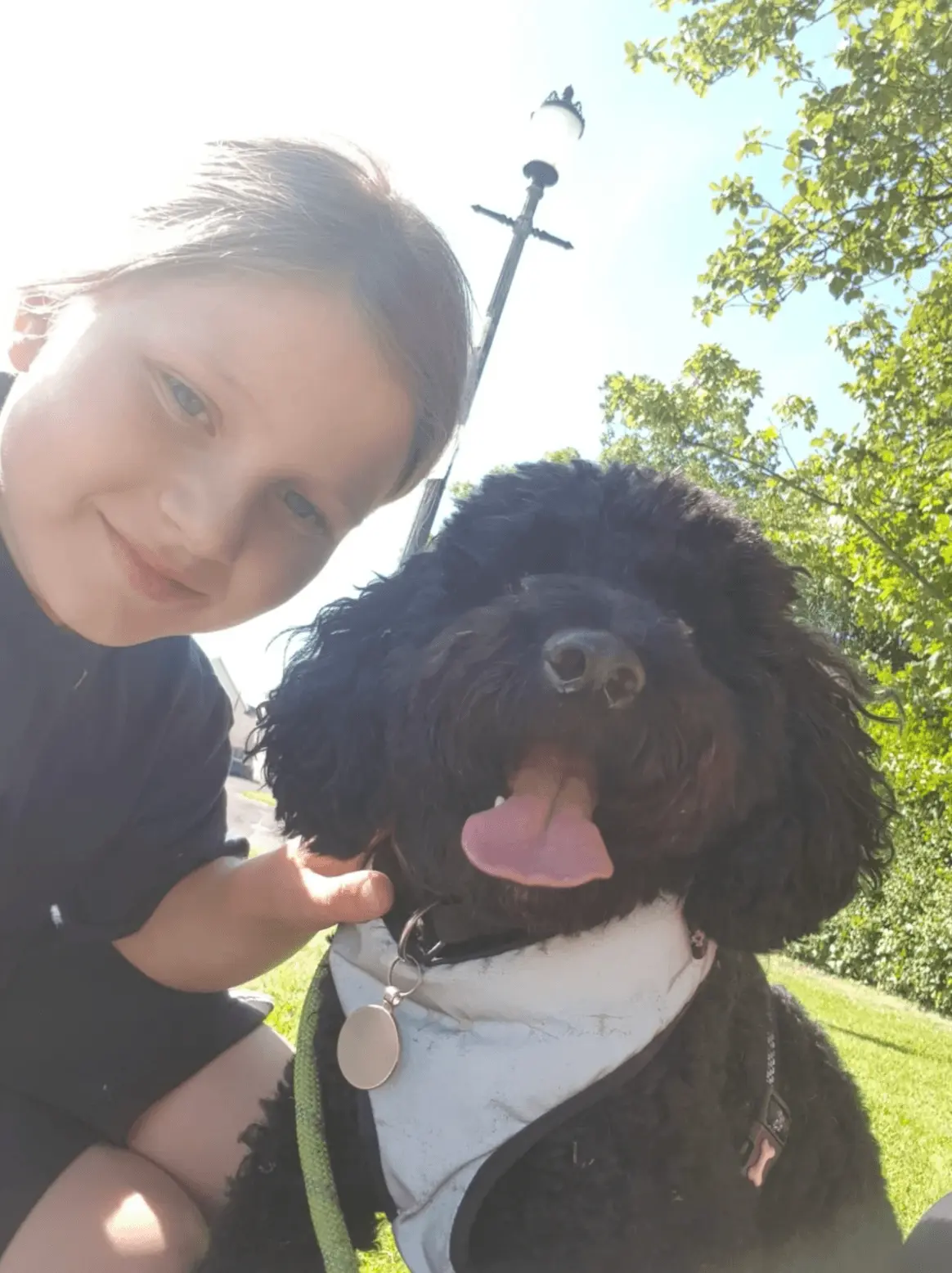
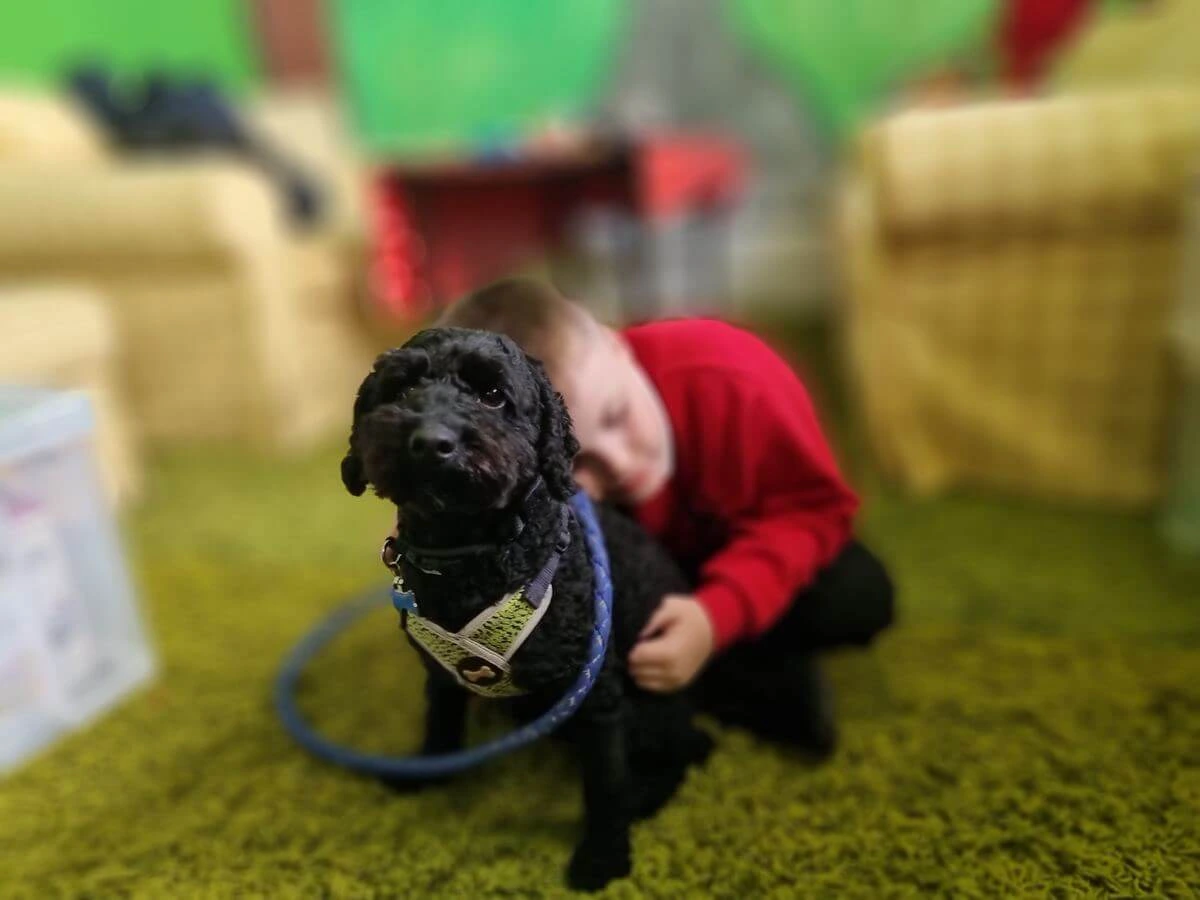
Our companion wellbeing dogs are not therapy animals — and we are absolutely clear about that distinction. They are carefully assessed, well-managed animals who help create the conditions for trust and connection.
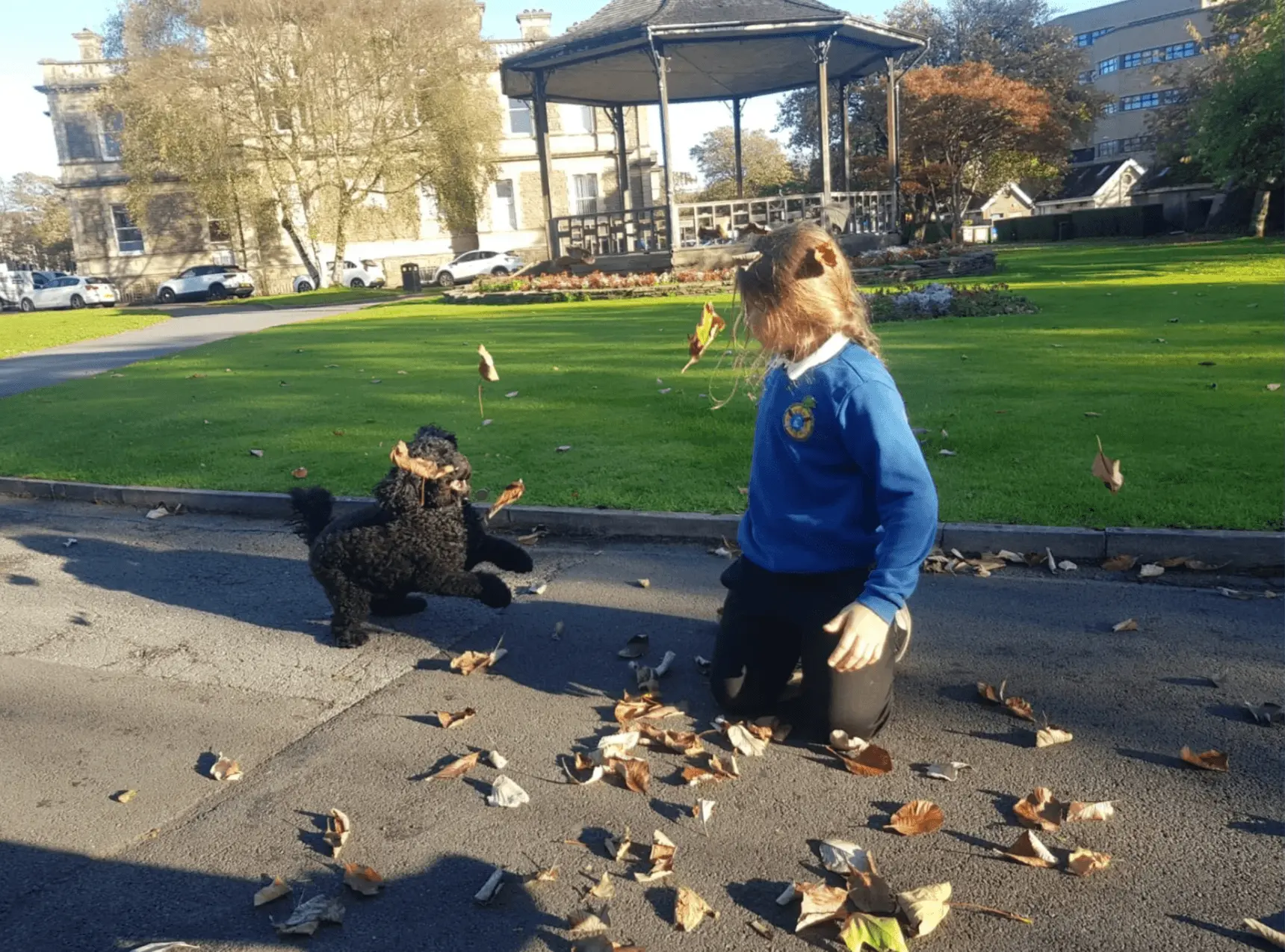
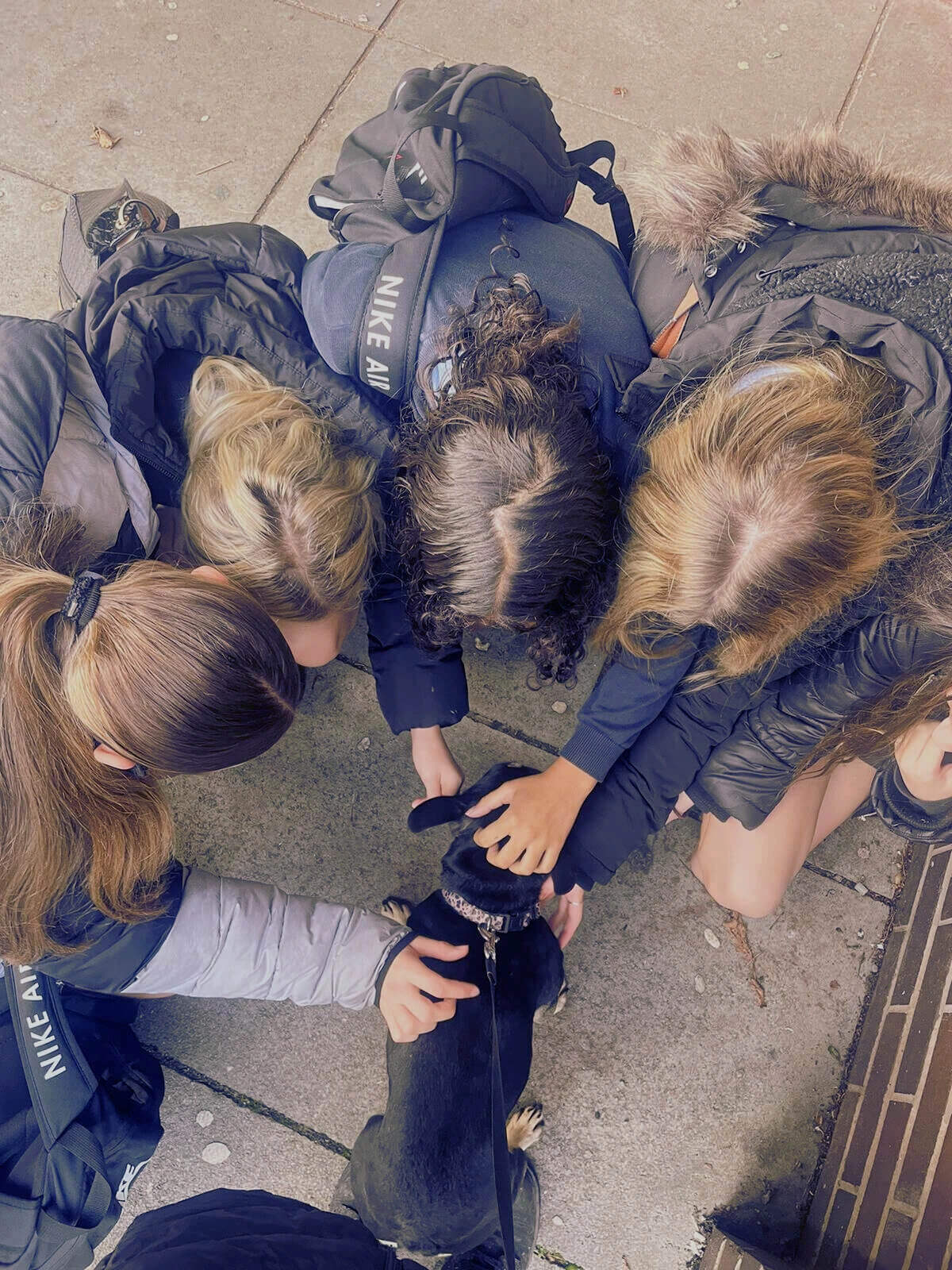
Dogs reduce anxiety, lower social pressure, and create a communication bridge that makes it easier for young people to engage. But it is our practitioners who hold the relationship, apply the knowledge, and enable the change.
All our dogs are assessed for suitability, temperament, and safety in school environments. Every session involving a dog is risk assessed and conducted under clear protocols.
Our delivery is designed to feel calm for young people and professionally robust for those responsible for them.
That is our mission. Our free info pack is the best place to start.