Therapeutic Activities Group CIC
A year of connection
and opportunity.
2025 / 26
1 September 2025 - 31 August 2026
Positive change through positive engagement.
Winner · Prove It: Social Impact Award 2025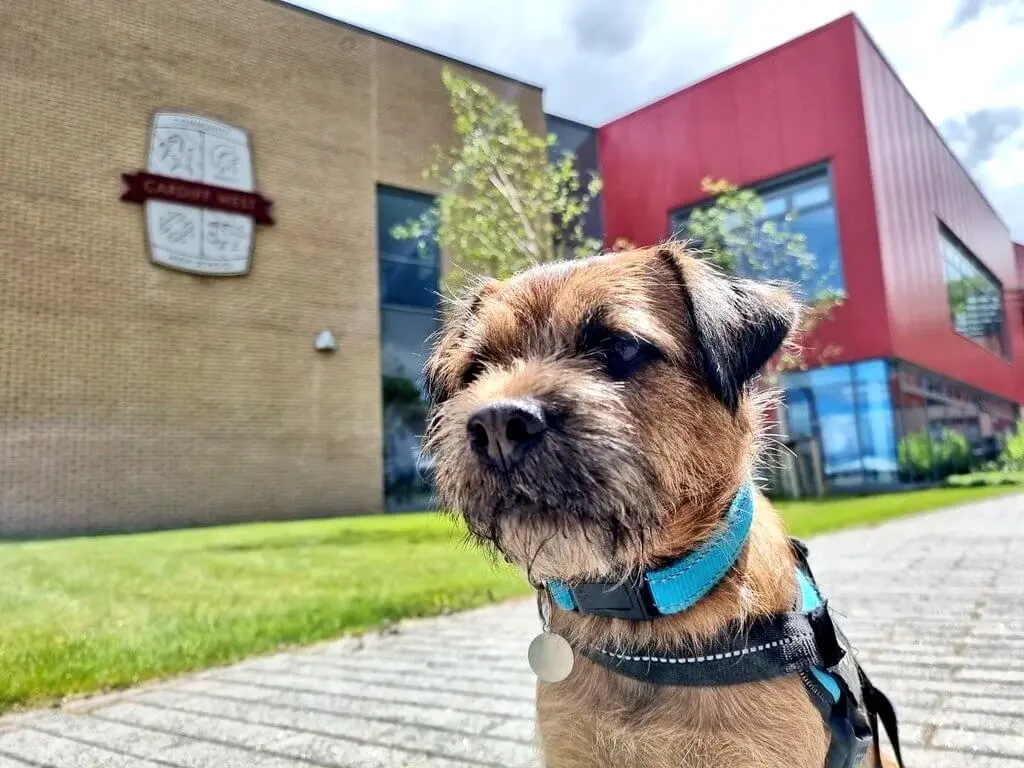
From the founder
The work we are built for.
My proudest moment of the year was winning the Prove It: Social Impact Award in October 2025. It was a huge honour for The Baxter Project: recognition of our team, our partners and the young people at the heart of everything we do.
Opening access in Neath Port Talbot
The National Lottery Community Fund People and Places grant has enabled us to support 128 children across 11 Neath Port Talbot schools within this academic year, with 1,012 sessions delivered recorded in the award scope. That is a substantial opportunity to bring regular, relational support into young people’s lives.
A challenge we are built for
I am particularly proud of our work in EOTAS. Many of the young people are struggling deeply or have disengaged from education. The work can be challenging, but it is work our approach is built for: patient, flexible and grounded in a trusted relationship.
Recognition that creates opportunity
It matters that an organisation of Bouygues UK’s scale recognises the value of our work and has chosen The Baxter Project to contribute social value in the community where it is building new college facilities. Alongside our national award recognition, it gives us a strong platform to build on.
Our proudest moment
An honour we share.
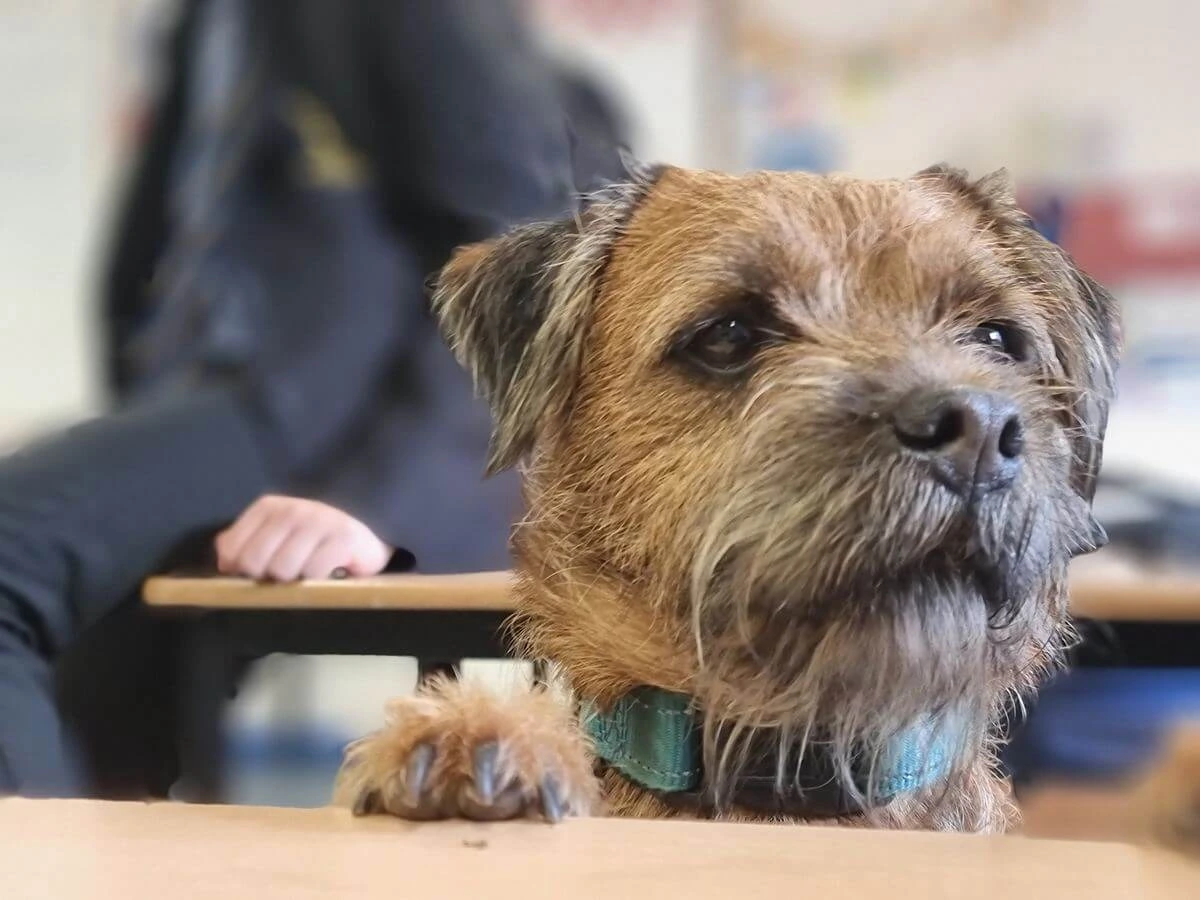
In October 2025, The Baxter Project won the Prove It: Social Impact Award at the Social Business Wales Awards. It was a huge honour: recognition of our work and the relationships that make it possible.
Recognition for the people behind the work
This achievement belongs to the practitioners who bring care and consistency, the schools and partners who make space for the work, and the young people who give connection a chance. Winning the award was a moment to celebrate what we have built together.
A moment of pride. A reason to keep going.
For our founder, this was the proudest moment of the year. It recognised the impact at the heart of The Baxter Project and strengthened our commitment to the children, young people and communities we support.
Read the official award announcement →
Our annual reach
More time. More connection.
Across the academic year, recorded The Baxter Project delivery reached 1,022 learners through 7,904 sessions delivered. The annual count includes work linked to settings that are now dormant or inactive, so completed partnerships remain part of the year’s story.
Sessions delivered
1 September 2025 - 31 August 2026.
Learners with recorded delivery
Unique ODISSYS learner records within the year.
Linked schools and settings
Settings linked to learners with recorded delivery.
Every partnership belongs in the story
The full-year count includes 822 learners linked to 56 active settings and 200 learners linked to 11 dormant settings. Each learner is counted once.
Reach and progress
The outcome results use a separate assessment sample across organisations active at extraction, rather than all 1,022 learners.
School partnerships
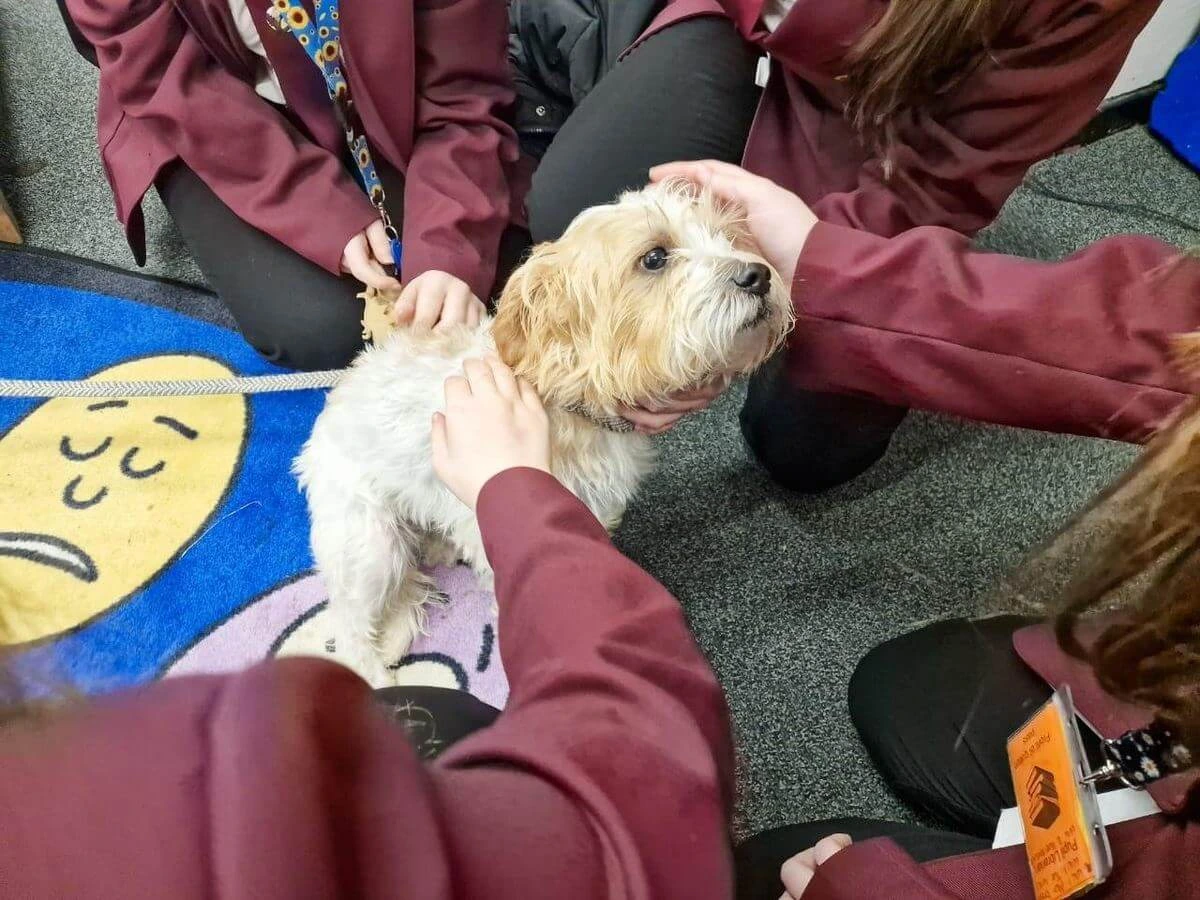
People and Places. Children at the centre.
The People and Places grant from The National Lottery Community Fund supported a programme across 11 Neath Port Talbot schools. Within the 2025/26 academic-year window, the award’s attributed records show 128 children supported and 1,012 sessions delivered.
Working with each school
School staff helped identify pupils, arrange access and support transitions around sessions. The programme report describes how practitioners and schools adapted practical arrangements to fit individual needs, including reducing peer pressure and planning sensitively around dog phobias.
- Abbey Primary School
- Alltwen Primary School
- Ysgol Bae Baglan
- Ysgol Gymraeg Ystalyfera Bro Dur
- Cefn Saeson Comprehensive
- Godre'rgraig Primary School
- Llangiwg Primary School
- Ysgol Maes y Coed
- Ysgol Cwm Brombil
- YGG Gwaun Cae Gurwen
- YGG Rhosafan
School expansion
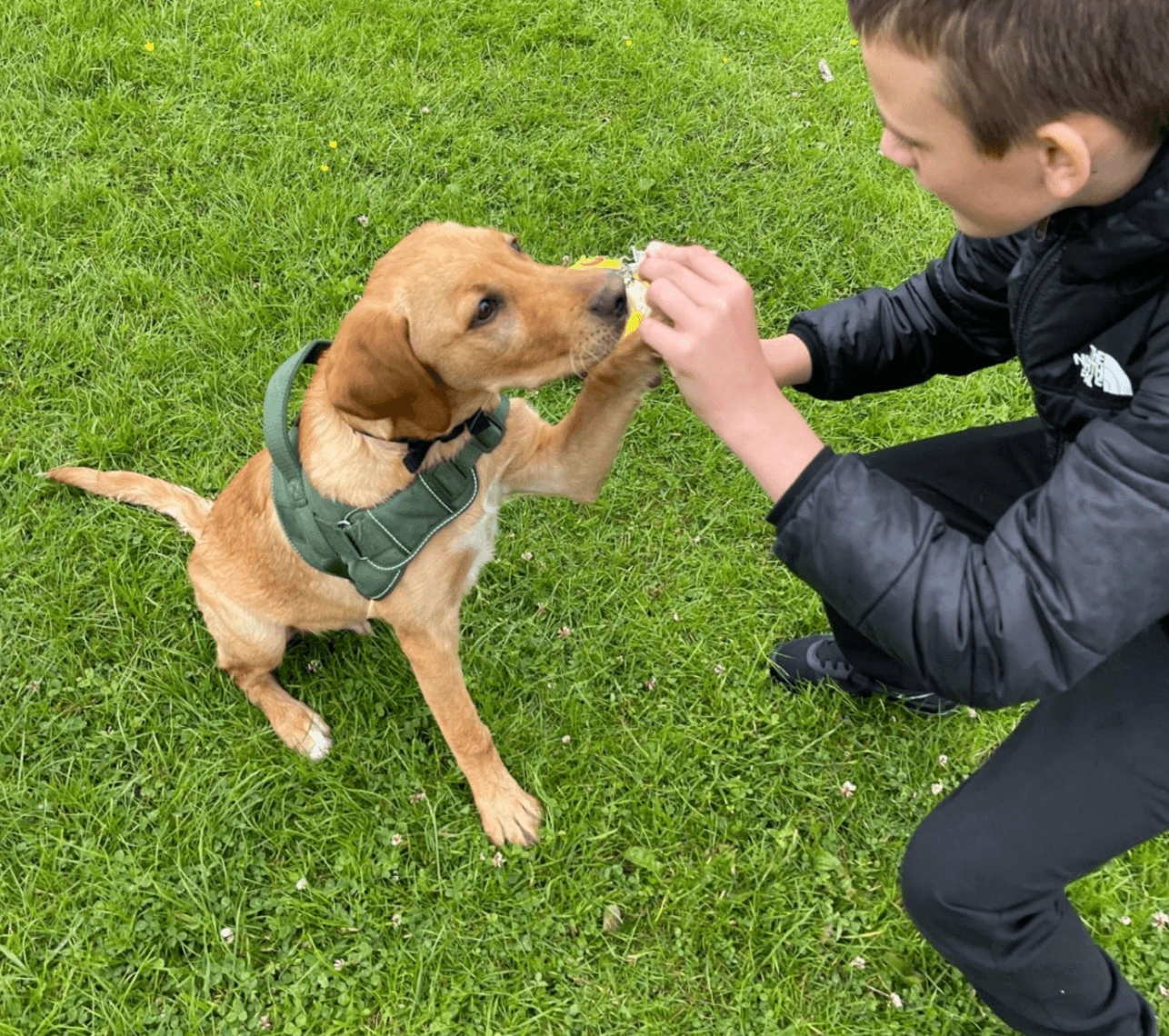
Growing our school partnerships.
During 2025/26, we expanded our school partnerships in Monmouthshire, Barry, Neath Port Talbot, Swansea and Caerphilly.
- Monmouthshire
- Barry
- Neath Port Talbot
- Swansea
- Caerphilly
New relationships across our school network
Expansion across these areas brought the approach of The Baxter Project into more school communities. Each partnership creates a practical route for schools to offer relational wellbeing support.
Whitmore High School, Barry
Our partnership with Whitmore High School is part of this school expansion. Its first recorded The Baxter Project support is dated 26 January 2026. The following social value section explores the Bouygues UK partnership behind this work.
EOTAS and colleges
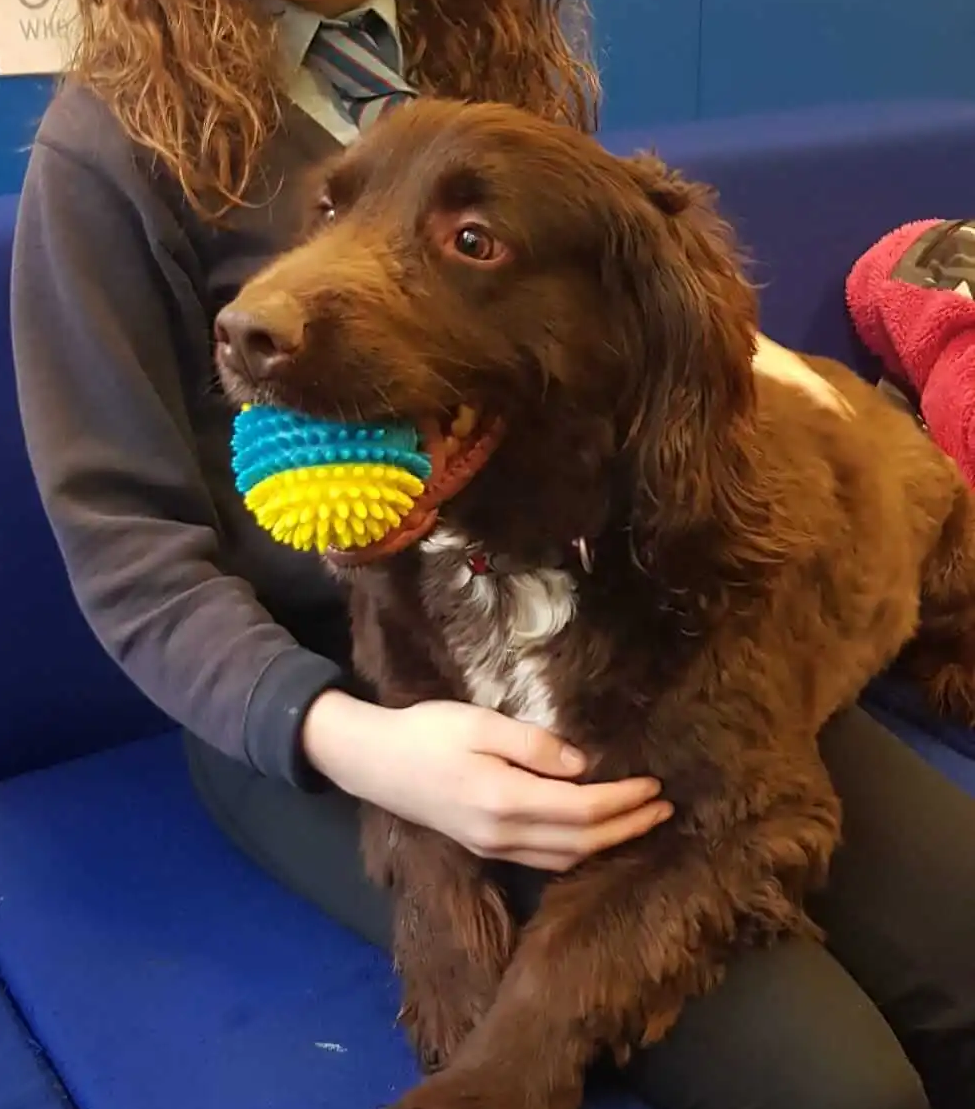
New settings. More opportunities.
Our work expanded into EOTAS, pupil referral provision and further education. These examples have first recorded support dates within September 2025 - August 2026.
Meeting the challenge of disengagement
Working with young people who are struggling or disengaged demands patience, flexibility and consistency. It is a challenge The Baxter Project is built for. EOTAS and alternative provision show why the same relational commitment must be able to work across different settings.
- The Hive EOTAS
- Ty Gilfach
- Monmouthshire Pupil Referral Service (South)
- The Connect Centre
- Coleg y Cymoedd Aberdare Campus
- Short Term Provision BAC
Partnerships and new possibilities
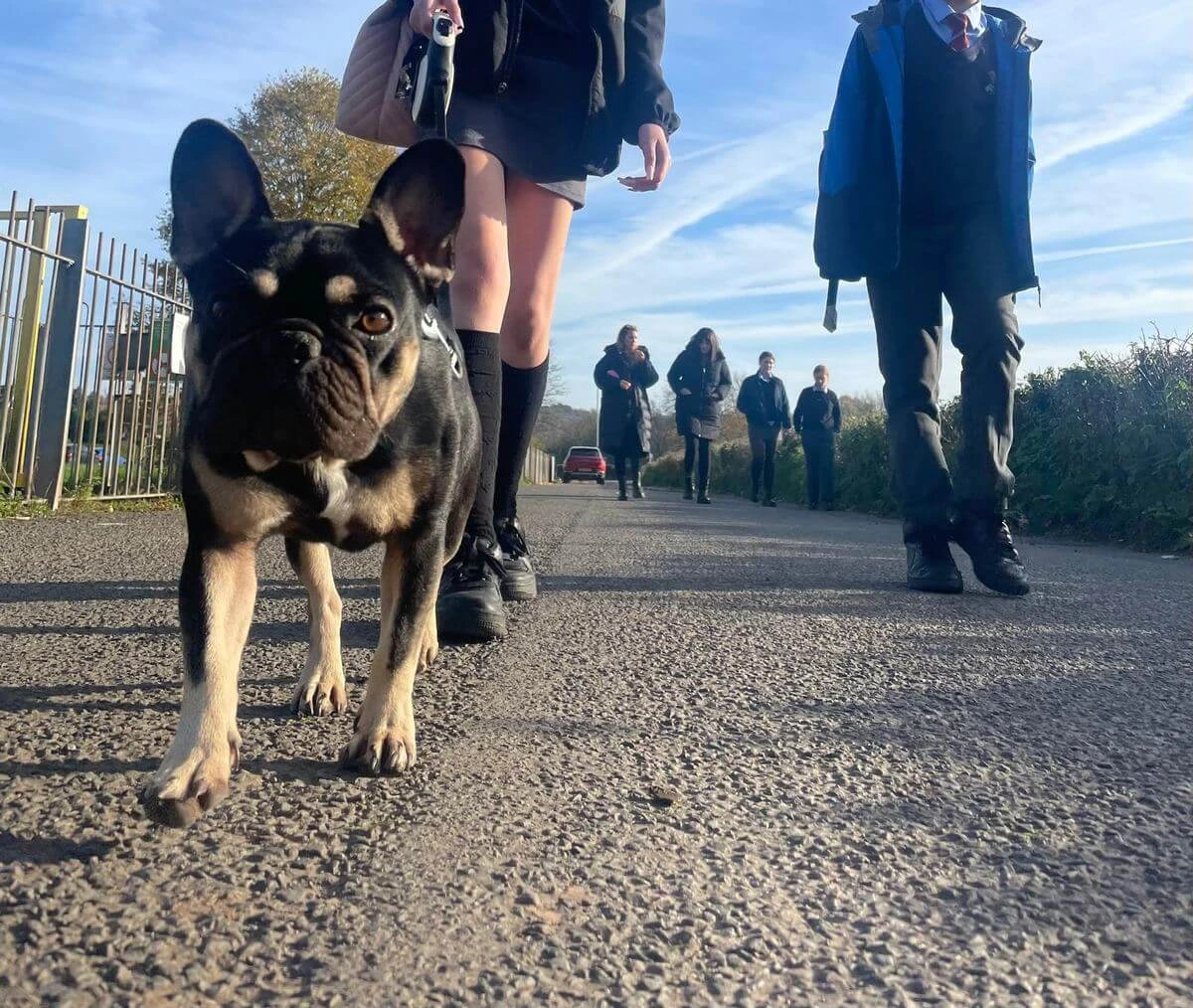
Social value that reaches young people.
Bouygues UK chose The Baxter Project to contribute to its social value work alongside construction of new college facilities in the Vale of Glamorgan. For The Baxter Project, that recognition matters: a major construction partner saw the value of relational support in the surrounding community.
From construction to community benefit
Bouygues UK commissioned support at Whitmore High School alongside its Barry Waterfront Campus and Advanced Technology Centre construction for Cardiff and Vale College with WEPCo. Its June 2026 case study reported 40 hours of targeted support.
“Their approach brings something genuinely unique to our social value delivery, and the response from the school community has been incredibly positive.”
Nina Williams · Social Value Advisor, Bouygues UK
Read the published partnership case study →
New funding and possibilities
A pilot that strengthened our readiness.
Gwent PCC funding created space to explore young people’s trust in public services. The intervention itself was valuable, while sporadic attendance made consistent participation and follow-up more difficult. The experience has left us better prepared to repeat and refine the work.
Learning from attendance
Sporadic attendance made continuity and follow-up harder. Next time, planning will give greater attention to the practical conditions that help young people participate consistently.
A stronger foundation through ODISSYS
ODISSYS development has strengthened the information available for review and planning. We are better placed to repeat the work, retaining the relational approach while responding to the realities of delivery.
Recorded progress
Encouraging movement. Clear evidence.
Comparable assessments show encouraging recorded movement in wellbeing and difficulties. These results describe the measured cohort, rather than every young person supported.
Average recorded wellbeing change
SCWBS · 711 paired learners. Higher scores are favourable.
Average recorded reduction in difficulties
SDQ · 218 paired learners. Lower scores are favourable.
Improved or maintained wellbeing position
609 of 711 learners with comparable latest and previous SCWBS responses.
Evidence alongside annual reach
The active-organisation outcome cohort contains 824 learners with evidence and 7,063 outcome records. Annual delivery reach is reported separately.
Strengths first, with room to respond
Latest/previous SCWBS movements of five points or more are improvement or decline; smaller movements are stable. The 102 declines prompt attention to context and support.
Learning with schools
Small moments. Meaningful possibilities.
The programme's May 2026 school feedback described the everyday moments that make relational work valuable: anticipation on session days, calmer transitions and growing confidence in talking with adults.
What schools noticed
Five of the 11 Neath Port Talbot partner schools supplied detailed written feedback for the progress report. Their accounts described some pupils as more settled, willing to communicate and motivated to engage with school on session days. These are school observations, not controlled attendance or clinical findings.
Adapting around the young person
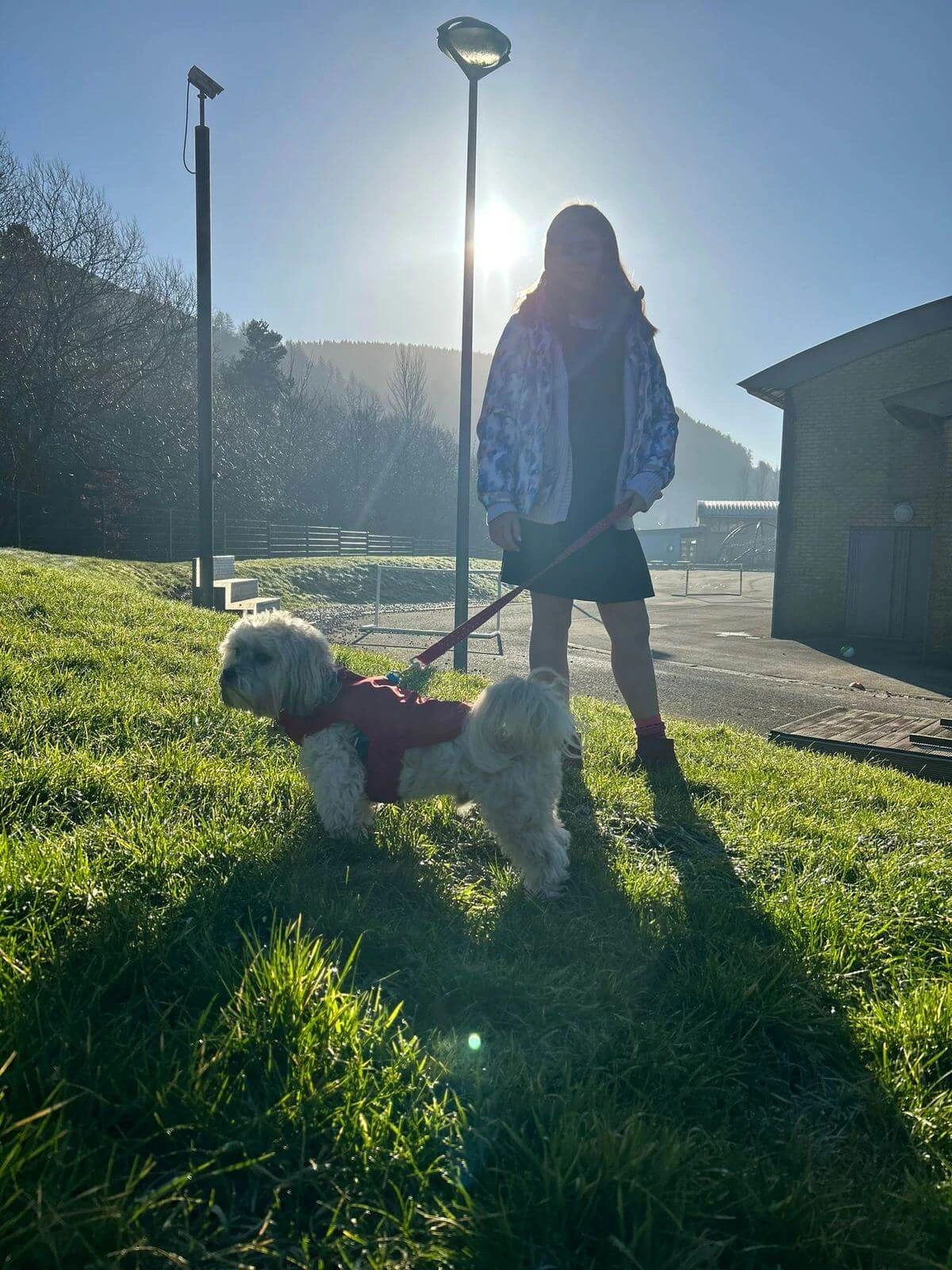
The report describes moving from paired sessions to individual work where peer pressure limited openness, and adapting arrival arrangements to account for dog phobias. The learning is practical: predictable relationships work best when delivery remains responsive to the individual.
The practitioner makes the difference
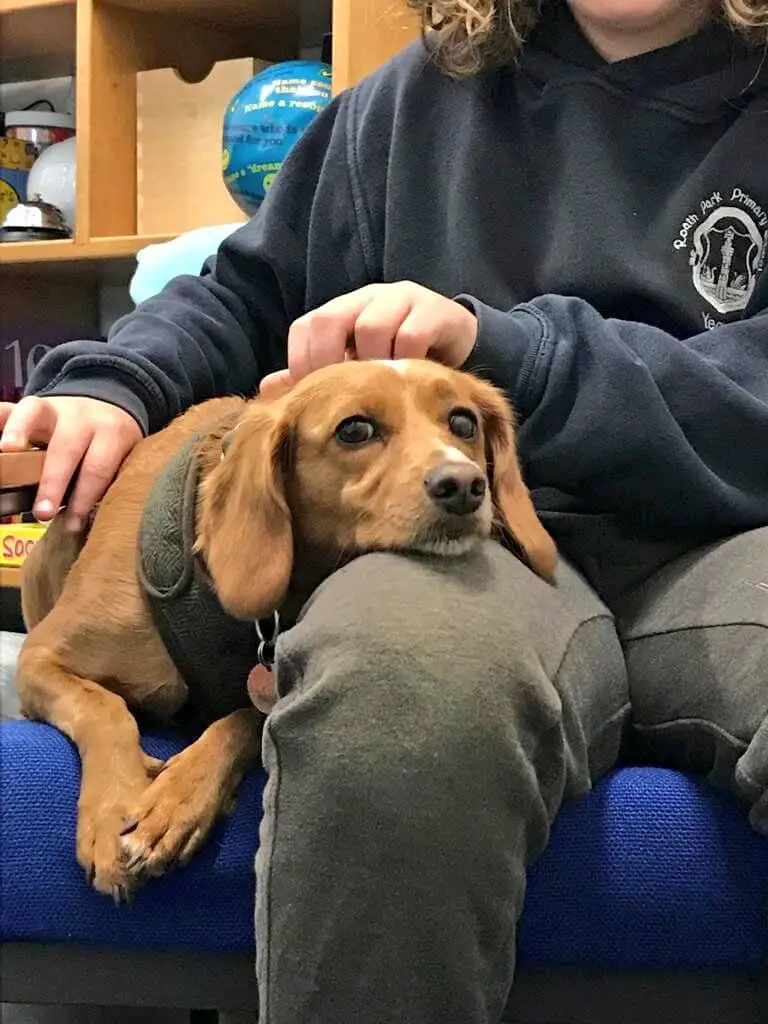
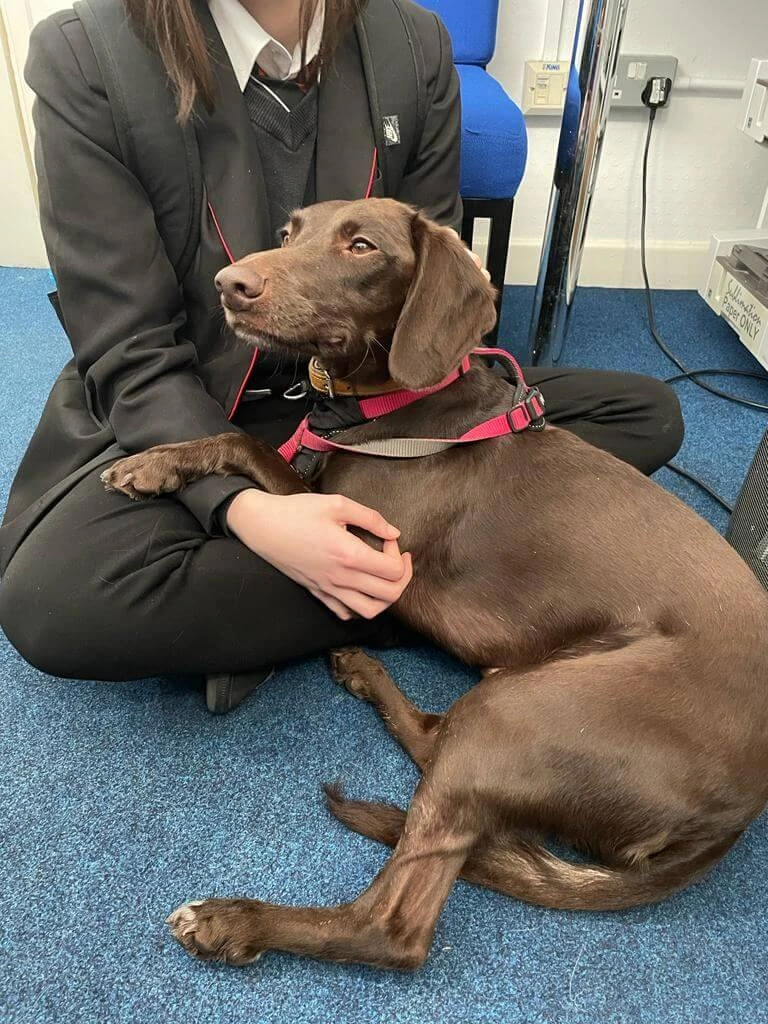
A companion dog can offer a lower-pressure starting point. The trained practitioner provides the relational work, professional judgement and coordination with the school. One-to-one and group activity are shaped around agreed needs; a single arrangement does not suit every learner.
“They help children to feel safe, valued, understood and happy to come to school.”
Gayle Herbert · Headteacher, Alltwen Primary School
Financial overview
A stronger platform for the work.
Therapeutic Activities Group CIC reported turnover of £370,572 for the year ended 28 February 2026. These company-wide accounts provide the financial context behind the organisation that delivers The Baxter Project.
Turnover
Company-wide · year ended 28 February 2026.
Costs before corporation tax
Company-wide total before corporation tax.
Surplus after tax
Reported net profit after £5,021 corporation tax.
A balanced income mix
Sales contributed £265,105 and grant income £105,467: approximately 71.5% and 28.5% of turnover respectively. Turnover increased by 20.4% from £307,749 in the previous accounting year.
Care and accountability
Trust deserves strong foundations.
Warmth and informality work alongside clear responsibilities. The public framework of The Baxter Project describes the safeguards and professional standards that underpin the delivery model.
People and consent
DBS-checked practitioners, safeguarding training, consent arrangements and clear escalation routes support safe, accountable delivery. Families and settings can raise concerns directly with the team.
Dogs and individual needs
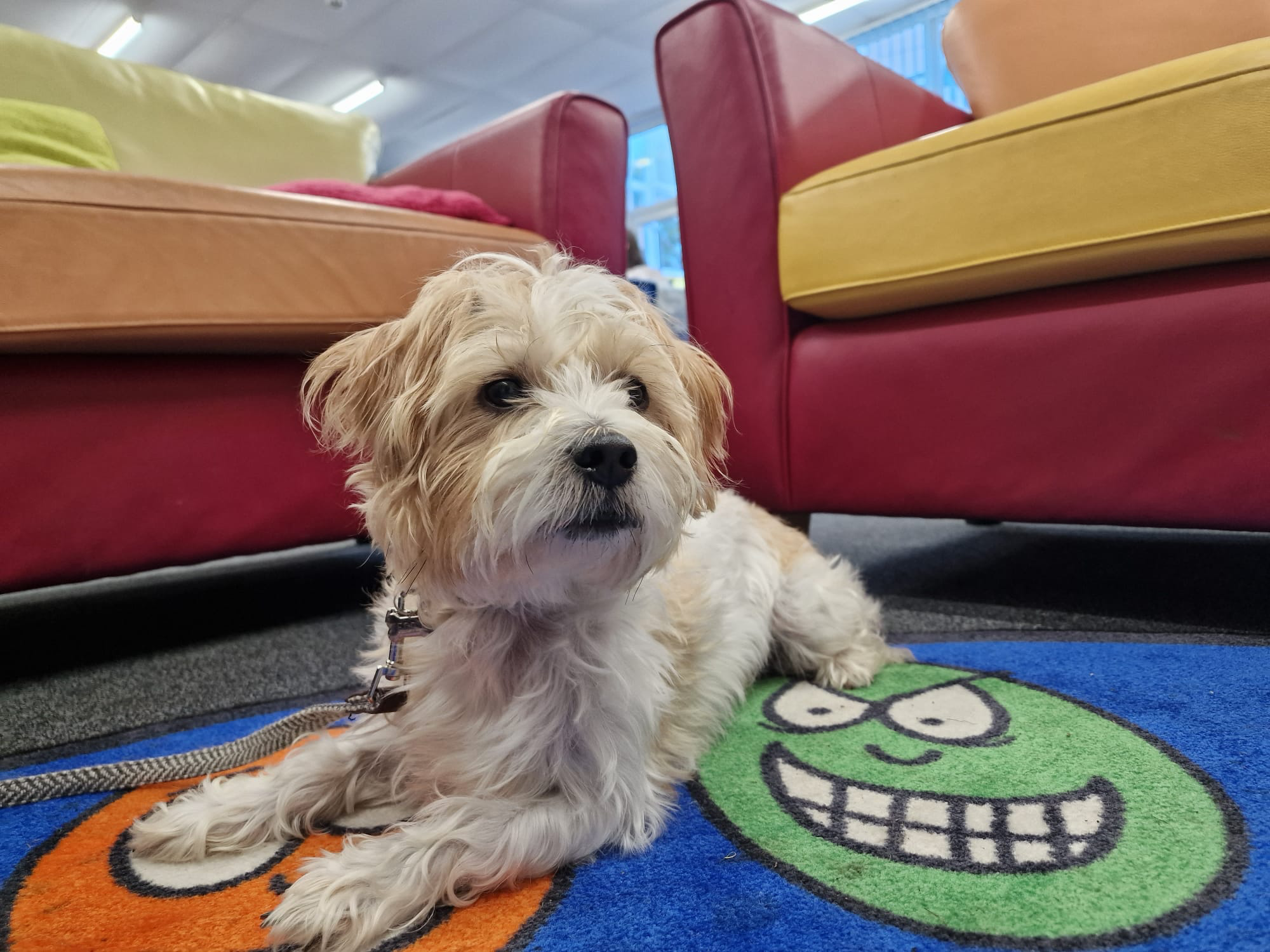
Companion wellbeing dogs are assessed for the work. Delivery planning considers dog welfare, allergies, phobias and setting-specific risks. The dogs support engagement; practitioners lead the intervention.
Evidence and privacy
ODISSYS supports recording, review and reporting within authorised access. This annual review uses aggregate figures. Individual learner records remain within authorised systems.
Building on the year
Our next steps are to sustain strong school relationships, learn from funded pilots and strengthen complete, comparable evidence. These priorities support thoughtful, evidence-informed development beyond the year.
Looking ahead · beyond August 2026
Three objectives. An exciting next chapter.
We have plenty taking shape at The Baxter Project. As we look ahead, three main objectives stand out as our most exciting priorities: growing through the Alfie Nick Foundation, developing our partnership with Calon Cymru, and bringing Baxter Meets to life.
1. Grow our reach through the Alfie Nick Foundation
Our partnership with the Alfie Nick Foundation represents a major coup for The Baxter Project. Beginning with two Bristol schools, it opens a new chapter in England and creates a starting point for much wider uptake as the relationship develops.
2. Develop our partnership with Calon Cymru
Build our partnership with Calon Cymru, the fostering agency, to bring our relational approach to more care-experienced children and young people. This is an exciting opportunity to create further routes into support through fostering.
3. Bring Baxter Meets to life
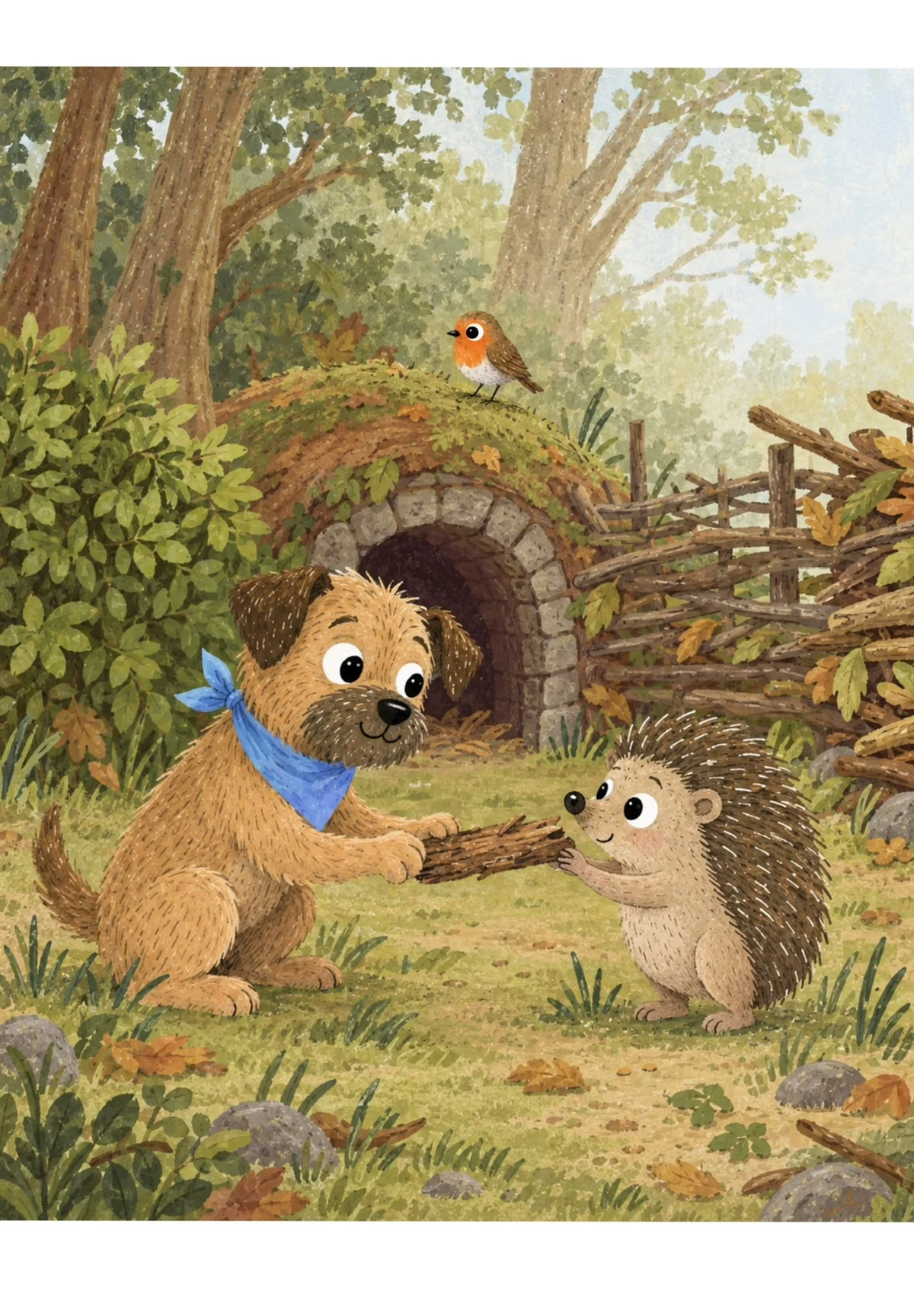
Develop the Baxter Meets storybook collection: a new way to explore feelings, experiences and connection beyond a face-to-face session. We want these shared stories to open conversations between children and the adults alongside them.
Scope, sources and next steps
A report you can read with confidence.
This is an academic-year review of The Baxter Project, delivered by Therapeutic Activities Group CIC. It combines dated programme milestones, selected funding awards and a clearly defined ODISSYS evidence extract.
Dates and coverage
The review covers 1 September 2025 - 31 August 2026. Annual reach includes all real setting statuses: 7,904 sessions delivered and 1,022 learners, linked to 67 settings. The outcome sample covers organisations active at extraction. The previous report uses a different July-June period.
Sessions and recorded change
Annual delivery counts The Baxter Project practitioner notes or completed The Baxter Project SCWBS, deduplicated by learner/delivery date, using creation date if delivery date is absent. Settings use current learner-school links. Paired changes average first-to-latest change per learner within the selected period. SCWBS uses 12 items, scored 12-60; SDQ difficulties is /40. Latest/previous movement is a different comparison.
Programme and financial boundaries
People and Places reach uses attributed provider records across the 11 funded schools, within award dates and the selected academic year. The earlier December-June narrative and five-school written feedback have their own scope. Finance covers all TAG activities for the separate accounting year ended 28 February 2026.
Reading the story responsibly
Use recorded progress alongside professional judgement, young people’s views and other support; the evidence does not establish causation. Growth examples use checked first recorded support dates and are not an exhaustive new-partner count. Calon Cymru, Bristol and storybooks are forward-looking developments, not results from this year.
Read the official 2025 Social Business Wales award announcement →
Thank you
To every young person who gave connection a chance.
And to the families, schools, practitioners, funders and partners who made space for it.